
As rights holders look beyond traditional sales, archive is becoming an active digital asset. The Drop explores how BBC Motion Gallery, ITN and Getty Images are adapting discovery, licensing and publishing models to help historic footage reach new audiences and generate fresh revenue.
As digital-first production expands, BBC Motion Gallery is rethinking how one of the world’s largest broadcast archives can serve creators operating beyond traditional television.
The collection includes around 200,000 clips online and draws on more than one million hours of BBC footage. Dominic Walker, BBC Studios global business director, says demand is growing among YouTube producers, vodcasters, podcasters and social publishers.
Natural history and true crime remain popular, but enquiries extend across entertainment, science, travel, celebrity, social history, music and radio.
The opportunity is partly about revealing material that conventional searches overlook. A sports personality, for example, may appear not only in match footage but in an entertainment interview or news report. Natural-language and AI-assisted search can make those connections easier to uncover, helping producers locate material whose original metadata does not reflect its potential value to a contemporary audience.
BBC Motion Gallery has previously demonstrated how that material can underpin original digital production. In 2023 it co-produced The Rolling Stones Chronicles with ABKCO, a six-part series of documentary shorts released on ABKCO’s Vevo-hosted YouTube channel. Each film paired a 1960s Rolling Stones track with BBC interviews and historical documentary footage, placing the band within cultural shifts including sexual liberation, social unrest, racial equality and the space race. BBC Motion Gallery producer Samira Choudhury said the project unearthed “contemporary and authentic voices” from the archive to deepen the meaning of the band’s most influential records.
But improved discovery is only part of the answer when it comes to working with creators. Digital-first productions may have smaller initial budgets than broadcaster commissions, while remaining available – and potentially generating revenue – for far longer. Walker says archive owners cannot simply impose established television licensing structures on this emerging market.
“You can’t put the old model into the new model, and nor should you try to cling on to that,” he says. A video may be rediscovered several years after publication, revived by a topical event, a recommendation cycle or even a new thumbnail. That makes short licensing terms difficult for digital publishers and places greater emphasis on finding commercial structures that reflect the longer tail.
Some digital-first producers argue that integrating archive is too expensive or complex, particularly when rights must cover numerous platforms, territories and a potentially indefinite commercial life. Faced with those constraints, they may shoot relatively inexpensive original material, restructure the idea around footage they control or use AI-generated imagery where authenticity is not essential.
Walker’s advice is not to assume that those alternatives are automatically necessary. BBC Motion Gallery and its partner Getty Images are exploring different approaches that recognise smaller initial budgets and longer commercial tails. “There are really exciting productions being generated by these people and, at the end of the day, it’s about storytelling,” he says. “We want to be involved in that.” His message to digital-first producers is straightforward: start a conversation before ruling archive out.
Turning archive into audiences
News provider ITN is demonstrating how archive owners can move beyond licensing individual clips and use their collections to build digital publishing businesses of their own.
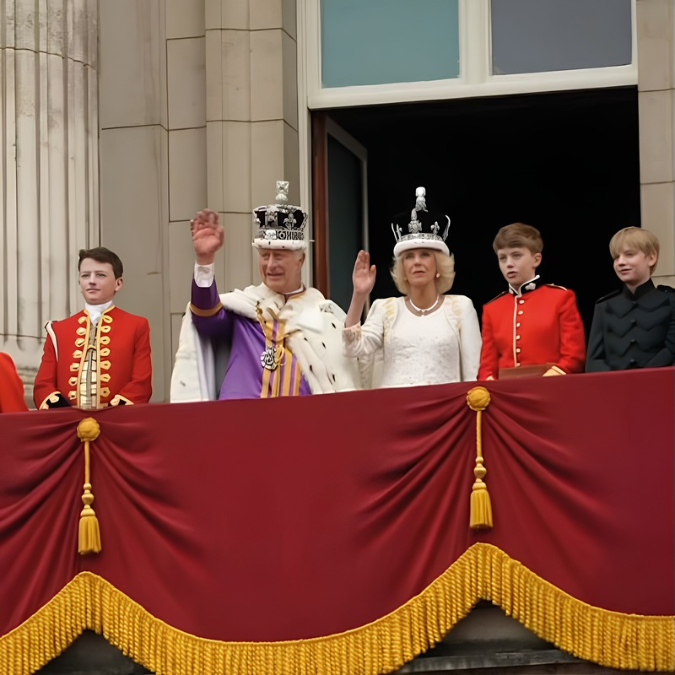
The company’s digital team has developed genre-led YouTube destinations including Frontline by ITN, Royal Rewind and Retro Scene, drawing on an archive spanning more than 70 years of news and current affairs. A recent partnership with media technology company Merzigo will extend that strategy through dedicated Royal Family Archive and Royal Fashion channels on YouTube and Facebook, alongside an ITN Archive presence on Facebook.
George Cudmore, director of digital content at ITN Productions, says, “For me, it is really exciting that we have the archive to underpin it all. We can show key moments and talk about landmark events rather than just recounting history without footage.”
ITN’s initial archive uploads were intended to be a shop window for its clip sales business. The ambition now is to build more deliberately produced propositions, combining archive with presenters, experts, journalists and newly commissioned material. The collection could support channels dedicated to a particular conflict, era, personality or subject.
Digital publishing can also surface footage transmitted only once – or never broadcast at all. Viewer comments contribute memories, context and requests, giving ITN signals about what audiences want to see. That interaction can inform curation and commissioning.
Membership adds another dimension. Frontline’s YouTube scheme is intended to give engaged viewers a voice in determining which subjects and footage are explored, potentially helping ITN identify demand before investing in digitisation or production.
A new partnership with Reuters will make ITN’s archive available for licensing through Reuters Connect from 2027. Reuters will digitise a further 12,000 hours and use AI to enrich the archive’s search metadata.
Cudmore distinguishes between using AI to navigate archive and using it to manufacture historical material. “The strength of the archive is that it’s real, raw, authentic – produced on the day during events,” he says. “But AI can definitely help us navigate it.”
Getty plots partnership model
Getty Images is exploring broader relationships with digital-first publishers that extend beyond the conventional licensing of individual clips.
Its work with Little Dot Studios has included Moons of Our Solar System, a two-part science documentary created entirely from Getty’s archive and stock collections for Little Dot’s YouTube channels Spark, Progress and Cosmic. The project demonstrated how a substantial archive partnership could give a digital producer creative freedom and rights certainty without the cost of commissioning an original shoot.
Getty has also expanded its relationship with Goalhanger, providing scalable access to editorial, archive and creative assets across its video podcasts, streaming output and social channels. The agreement reflects Goalhanger’s evolution from an audio-led business into a multi platform publisher with a growing requirement for visual material.
Both partnerships point towards a model better suited to high-volume digital production than negotiating separately for every photograph or clip. By giving publishers reliable access to a wider pool of material, archive owners can become ongoing production partners rather than suppliers brought in for occasional projects. For digital studios, the attraction lies in greater cost certainty, simpler rights management and the ability to use archive consistently across multiple formats and platforms.
Getty is also widening access below the level of major publishing partnerships. In July, it introduced single-seat Creative and Editorial image subscriptions aimed at independent professionals and smaller customers. The plans offer subscription access to commercially ready imagery, editorial coverage and Getty’s archive at a single, predictable price. While the offer applies to stills rather than motion footage, it reflects the same attempt to replace occasional, project-by-project access with models suited to digital publishing.
(Image courtesy ITN)