
For all the excitement and opportunities in digital-first content, there are also risks and concerns – especially around duty of care responsibilities to everyone who’s working on that content.
From talent working without standard protections and crews operating under super-tight schedules to creators burning out under the workload of being talent, producer and business owner all in one, there are plenty of pitfalls.
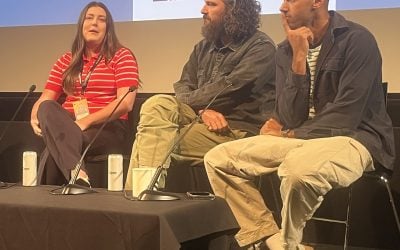
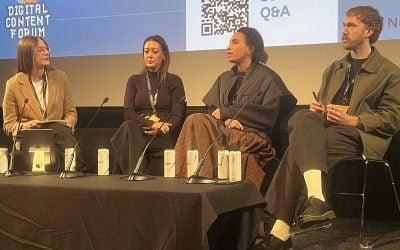
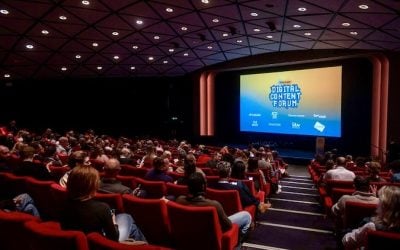
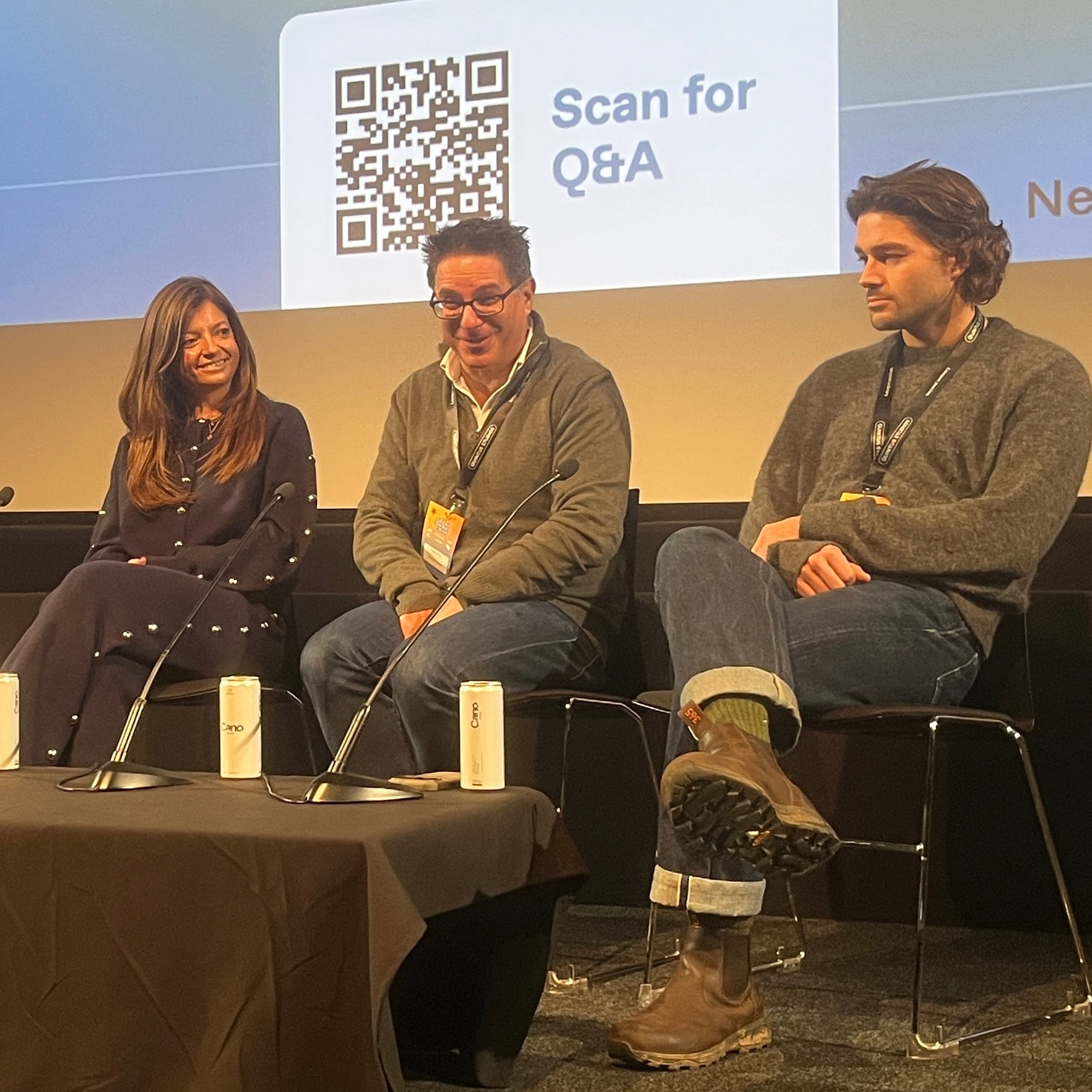
At today’s TellyCast Digital Content Forum, a panel examined the issues. Moderated by Franky Harte, head of digital content for Love Island and I’m A Celebrity at Lifted Entertainment, it included Dr Howard Fine, clinical psychologist and founder of Mindzone Media; creator Jack Harries; and Bryony Hopkins, production consultant for the creator economy.
“The bottom line is the ethics behind what we’re trying to do. First, do no harm,” said Fine. “That covers the entire production.” Including the team behind the scenes, not just the on-screen talent. “It’s just thinking: are we okay? Are we creating risks? Are we dealing with high turnaround times and high pressures?”
He noted that there is also a duty of care to the audience: telling a story without sensationalism or misinformation, and considering the impact that it will have on viewers.
Hopkins talked about some of the concerns within the creator economy. “Fundamentally, if you pull back budget, everyone is going feel an impact, and we should just be super-honest about that,” she said, while noting that “even if you have a tight budget there are really small things you can put in place” to protect people. It doesn’t have to be prohibitively expensive.
Harries offered a creator’s view, having started his JacksGap YouTube channel back in 2011 while on a gap year. Since then, he’s built his own structure as a company as well as building his audience.
“The issue lies in the platforms that we post on and the punishing algorithms that always encourage you to post. And there’s no structure there: on the internet we don’t have series or seasons like you have on TV, we don’t make albums like musicians. If you step away [from putting out content] you’re penalised by the algorithm.”
Harries is currently transitioning into a working process that prizes “depth” with core fans, rather than running on the algorithmic hamster wheel, to combat this.
Hopkins noted that in the linear TV sector, preventing burnout hasn’t been the focus of duty-of-care conversations, but that it’s key in the creator world. And the solutions can sometimes be simpler than expected: for example, taking the video-editing load off a creator by bringing in a freelancer to help.
“What we do is supposed to be fun. We’re not saving lives! So we shouldn’t be leaving anyone worse off than when they started,” she added.
Fine talked about another aspect of digital-first production that can cause concerns. “You are out there forever, and sometimes people forget about the real implication of that,” he said.
“Also, it’s an unforgiving audience. If you’re in the linear world of TV production, the feedback is moderated somewhat on social media, but if you’re putting yourself out there on YouTube or TikTok, the feedback can be more [directly] negative.”
Harries addressed that issue. “I learned very early on to just not engage in that stuff,” he said. In fact, Harries has team members who handle social media to give him that separation. “The challenge, of course, is finding the budgets,” he warned.
Do the platforms have a duty of care towards creators? “They should have a much greater duty of care to look after the creators who work on their platforms,” said Harries, while criticising the “incredibly detrimental and dangerous” effects that social-media platforms can have on young people.
Fine offered another point: that the digital-content industry should be setting the standards for duty of care itself – “setting the gold standard rather than being dictated to” by regulators. “Regulation will come at some point,” agreed Hopkins. “Wouldn’t it be better if we’re putting our best foot forward first?”
Harries came back to the idea of pushing back against the harms that social media can cause – and not making content that further enables that.
“I think it’s our responsibility to create a different type of content that is slower, that is not just playing into the algorithms,” added Harries, suggesting that a “slow content” movement is already surging – and that there is strong demand for it from viewers.
The panel discussed what a studio can put on a one-pager document setting out their duty of care, listing and prioritising the risks in a production.
“It’s simpler than you think,” said Fine. “You start off with one person that’s managing this, and then think about your three criteria: yourselves, the contributors and then the audience… And then it’s the layers of risk going from green through amber to red.”
He noted that if you get this wrong, it can be very expensive – and reputationally ruinous. “Doing a risk assessment, talking to someone like ourselves is either free or a small expense compared to all the hours you’ve put into building your reputation, which could fall away very quickly [if something goes wrong].”
The panel finished with some tips on zero-cost measures that producers can take. “It’s about being clear what success looks like: the metrics that you’re measuring,” said Harries.
“Just have one named person on the team who’s holding that responsibility,” said Fine. And second: “Be kind. Be kind to yourself: are my needs met, am I okay? And then you can trickle that down to your team and to the contributors who end up on screen… just take that pause and check in with yourself.”
“Send an email that outlines your escalation process,” advised Hopkins. “And get a one-pager in place, send it to everyone on your team, and book a meeting in 30 minutes – and you will have everything in place.”