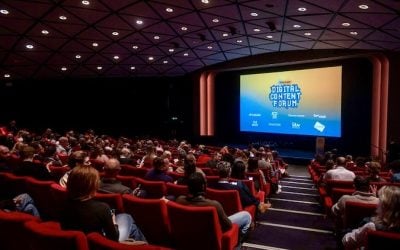

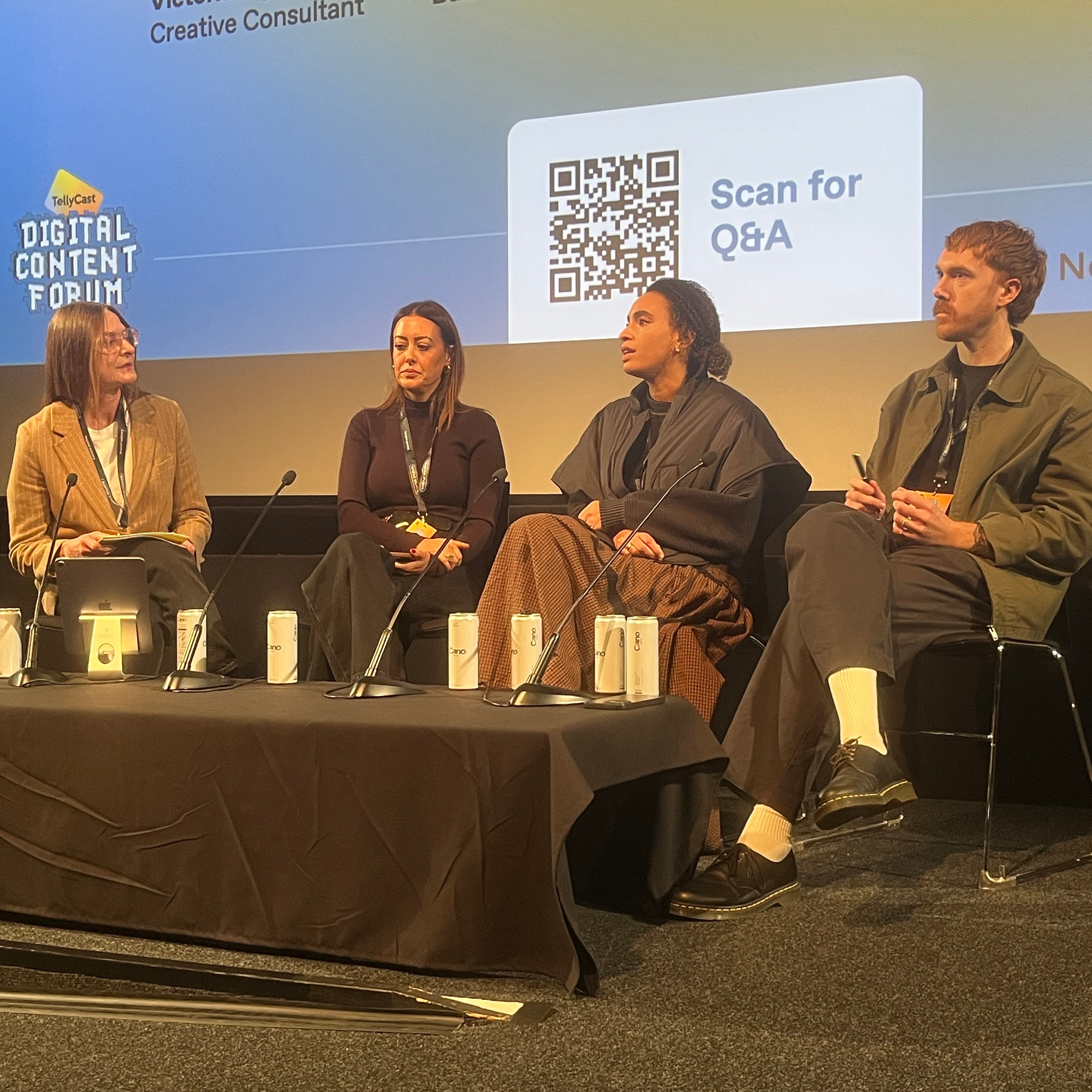
From radio to news and magazine publishing, some of the most established companies in British media are investing more heavily in dedicated video production facilities. At the TellyCast Digital Content Forum today, three of those firms explained why.
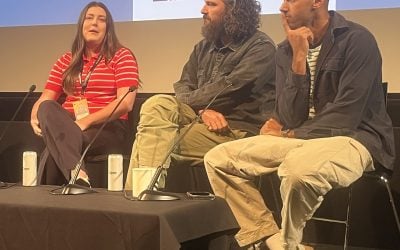
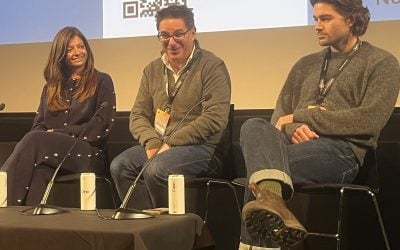
The panel, moderated by consultant Victoria Jaye, included head of Guardian Studios Leah Green, Hearst UK’s Richard Beech and Bauer Audio’s commercial director, podcasts Nadia Holmes, discussing why social video is becoming a studio operation in its own right rather than an afterthought.
“The Guardian already has brilliant audio and video output. That focuses a lot on news, current affairs, politics… so one of the first priorities for us was to look at the white space,” said Green. “We don’t have a multimedia culture show, for example.”
Beech talked about the importance of “coming up with YouTube-first formats, and then we think about which of our brands we can match them to”.
“The story that I’m trying to tell internally is about ambition,” he added. A brand like Cosmo already has huge reach on YouTube and TikTok. “So they can make a great reality TV show or a great dating show… We’re kind of thinking like a television studio, but with traditional brands that are magazine brands. It’s a bit of a head-spinner!”
Bauer Media’s shift has been that its clients “want to be in and around content… and now they want to be more integrated in the IP from the off” said Holmes. “It’s having conversations with clients much, much earlier in the planning cycle. For them to feel more authentic in the content that we’re creating, they have to be involved from the start.”
The panel talked about how they think about talent, in terms of building shows around them or building franchises to cast them into.
Hearst held an open call within its company “whether they were a journalist or an accountant” to do screen tests. Around 100 people applied, writing two-minute scripts and then doing the screen tests.
“I had this prediction that people on the sales team, we would get some really strong presenters… You look at people on the sales team and think that could really be the next Amelia di Moldenberg or Shaun from Hot Ones…”
Hearst is now looking to build some new IP around this in-house talent – Beech joked that this may involve some hard conversations with the line managers in its sales teams.
The Guardian uses its own journalists, but is also working with external talent. “A face will bring an audience, but it won’t guarantee that audience to continue watching. Being associated with a brand like the Guardian and knowing that there is resource, a team around it, a plan, an expertise… we know that’s very attractive to people,” said Green.
Holmes said that Bauer Media is capitalising on some of its established brands, from films to cars, and the fandoms that they serve.
“Fandoms are so, so important now, particularly for that Gen-Z audience,” she said. “Thinking about how we can tap into those communities, those interests, those fandoms. That isn’t just what these people love, it’s who they are.”
The panel also talked about the challenges of their content being hosted on third-party platforms, in contrast to their traditional businesses.
“We are very much audience-first rather than being platform-first,” said Holmes. “We have the expertise to be able to navigate that… But obviously we don’t own the platforms. It’s constantly changing and new things are coming out all the time, so we’ve got to be constantly evolving our proposition to make sure we’re everywhere that the audience is.”
Guardian Studios is making YouTube-first shows, but its series will also be distributed via podcast platforms and its own site. Hearst is taking a similar approach, said Beech, while noting that the company is also discussing collaborations with video-streaming services.
He also suggested that focusing on YouTube first – because of the nature of the platform – brings production back to the core of traditional TV skills: holding an audience’s attention and delivering on your promises to them.
The panel moved on to the cultural challenges of operating effectively as a startup studio within a legacy-media organisation.
Beech cited “code-switching between tone of voice” when making content for very different brands, often within the same day. He also talked about the importance of keeping the guardians of Hearst’s different brands onside with new ideas from the video team.
“Trying to bridge that gap between the brands and a centralised video studio that almost licenses the brand has been a nine-month challenge that we’re just getting to the other side of, and seeing the success of,” he admitted.
“If something has backing from someone at the very top of the organisation, it’s much easier,” noted Green. “It’s a long-term plan. The more things we make that do well, the more people will understand. But we do need to bring people along with us.”
Holmes talked about the challenge of delivering a return on investment with digital content – including deciding how that return should best be measured.
“Yes, reach and scale have their part on the plan, but actually for us in the podcasts world I don’t think that should be the main metric. It’s around brand uplift, changing perception of brands,” she said. “That’s a big thing for us.”
Green said that the best measure of success is “deep audience engagement… you can have a massive face and a big launch and everything, but we want people to be obsessed with the hosts and have subreddits and be able to sell out live shows.”
“That’s what shows you’ve got something that is good from beginning to end, and is building a real fandom and a community,” she added.