
Traditional TV may often be a slow, expensive, get-it-right-first time process, but digital-first success relies on a very different approach: experimentation, iteration and a willingness to ‘fail fast’ in order to identify the best formats.
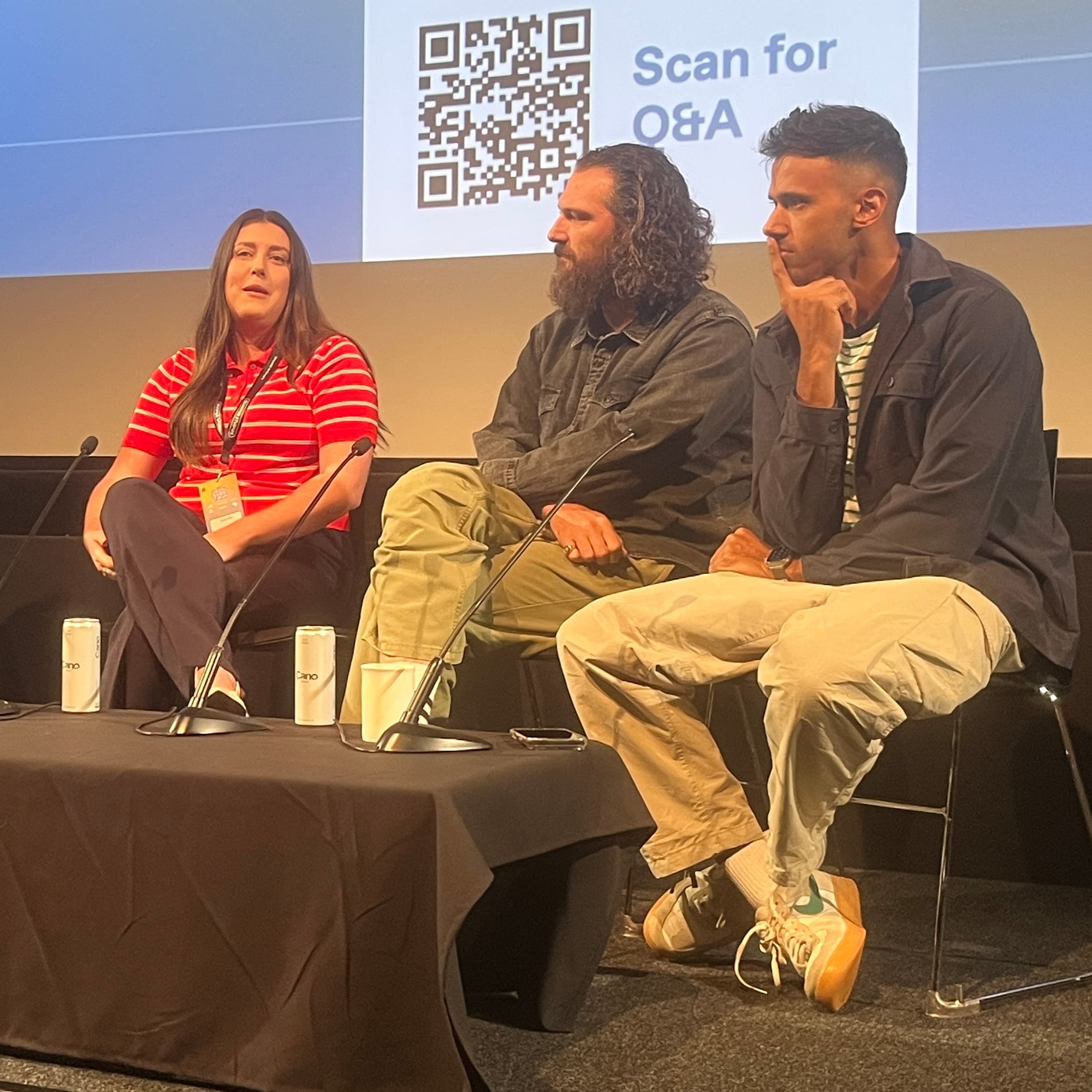
A panel at today’s Digital Content Forum offered some useful tips. Moderator Matt Campion, founder and creative director at Spirit Studios, was joined by Grace Experiments founder Grace Miller, Seen TV CEO Yusuf Omar and Strong Watch Studios co-founder Thom Gulseven.
The panel started by talking about their biggest professional failures and what they learned from them. Omar cited his transition from traditional broadcast to digital storytelling, when he was still stuck in the former’s production thinking.
“For the first three years it was the most humbling experience ever. I don’t think we did anything that got a million organic views,” he said. “A period of unlearning television and re-learning digital” was key to turning that around.
The conversation quickly turned to some of the recent brickbats aimed at TV stars Holly Willoughby and Amol Rajan as they launched their own shows on YouTube, with jibes at the viewing figures compared to their previous linear audiences.
“I don’t see that as a failure at all,” said Miller. “The goal could have been 100 views, and then they’ve smashed that! Holly’s show is doing better than Drew Barrymore’s, which is incredible, because Drew is a powerhouse in North America… We should give people more time to experiment and learn.”
Gulseven suggested that thinking new shows are only successful if they are immediate hits is traditional TV thinking. “Actually, lots of our world is being able to fail away from the spotlight, away from the scrutiny of lots of people. That scrutiny that Amol and Holly are under is a bit of a hangover from their careers in TV.”
What are the measures of success in the digital space when building something up from scratch? “The beauty of the internet today is that you don’t need any existing audience to reach as many people as the BBC tomorrow… if the content is good,” said Omar. “I know we say views and reach are vanity metrics. But it does matter! We all want cultural relevancy.”
Miller talked about the importance of building community and trust, with viewers who will follow you along your journey, while Gulseven pointed to metrics as granular as click-throughs on thumbnails and retention after seven seconds as being important in the early days of a new digital-first show. They point to it having potential, even if the viewer numbers are low.
“In order to fail and iterate and do better, you need a long enough runway,” he added. “I think broadcasters are on board with the idea that they’re commissioning with long retainers, to allow people to get better.” And with that, comes better awareness of metrics like engagement, not just reach.
Sometimes, failing fast happens with formats that you own – there isn’t an external commissioner deciding what success looks like. Omar praised the ability to “do things that the current platforms don’t like to do”. They might “fail terribly” but at least they can be tried.
“When you are running it, you have to be really honest with yourself about why something might be failing,” warned Gulseven. “The temptation is just to plough on with it… That level of honesty with yourself about what is working is really, really important.”
Campion wondered whether broadcasters are really capable of failing fast. Gulseven talked about the trend for broadcasters to commission channels, not just individual shows, as a sign of a positive mentality change, but Miller was less sure.
“I don’t think they can experiment fast and fail fast,” she said, citing her previous job at Flight Story. “When we had an idea we could action it within 24 hours, on that day… I don’t think they [broadcasters] can move that fast right now.”
“Broadcasters can fail fast and innovate really quickly if they can keep secrets,” was Omar’s opinion, delivered with a blunt warning. “If you expose too many people within the internal hierarchy to the decision-making, it fucks up every time!”