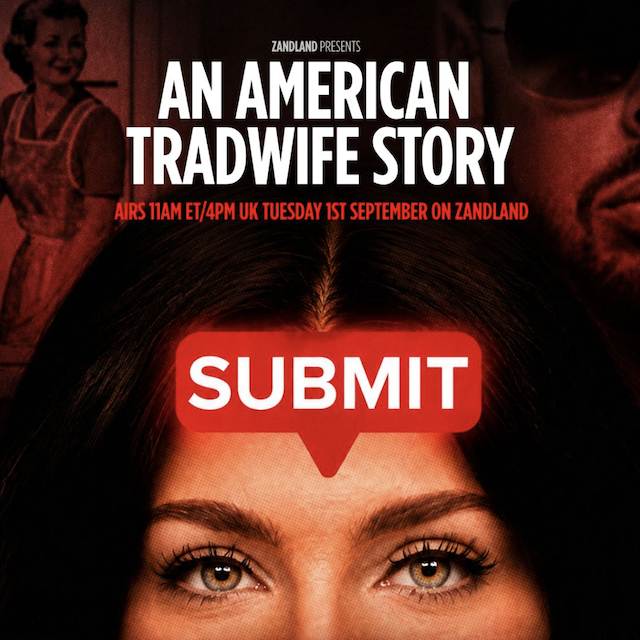
Digital-first documentary producer Zandland has recorded its biggest YouTube launch to date, with I Met The Tradwife Who Thinks Women Shouldn’t Vote passing 1.1 million views within five days.
The film, which profiles divisive US tradwife influencer Savanna Stone, has also attracted 17,000 likes. Its performance is notable for a channel with 129,000 subscribers and follows a rapid start in which it drew more than 260,000 YouTube views in its first half-day, alongside close to one million views on Instagram, according to founder Ben Zand.
The documentary is the first of a two-part series, with the follow-up due two weeks after its launch. Zand said the film reflected the model his self-funded company is now pursuing: securing access quickly, producing original documentaries at pace and distributing them directly to an audience it increasingly understands.
“We are our own distributor, making the films we want, the way we want to, to an audience that cares,” he said in a LinkedIn post. “We have no investors. I’m a working-class guy from Liverpool just making some stuff that we self-fund.”
Zand also pushed back against the familiar claim that YouTube is simply becoming television. He described it instead as the leading distribution platform for long-form content, alongside Instagram and TikTok for short-form, but argued that each requires a distinct editorial and commercial strategy.
“It’s not remotely TV. It’s a completely different game plan and strategy,” he said, adding that digital-first production and work with established broadcasters and streamers are not mutually exclusive.
Zandland plans to release at least two original documentaries a month on YouTube, supported by short-form output on Instagram and TikTok.
The company also continues to work with traditional media partners: its recent credits include Disney series The Cult of Nature Boy and ITV feature documentary Breaking Ranks, which won best documentary at the Edinburgh TV Awards, as well as brand-funded documentary partnerships.
Zand said the broader goal was to establish Zandland as a recognisable documentary brand rather than recreate a television model online: “We go to the places that audiences are at and work with people who want to tell amazing stories.”