
2026 is an exciting time to be a creator, with new opportunities springing up left, right and centre. They’re directly commercialising their audiences; forging content-first partnerships with brands; and bagging commissions from video-streaming services.
How might all this spin out over the next few years? A panel at the TellyCast Digital Content Forum today offered some predictions.
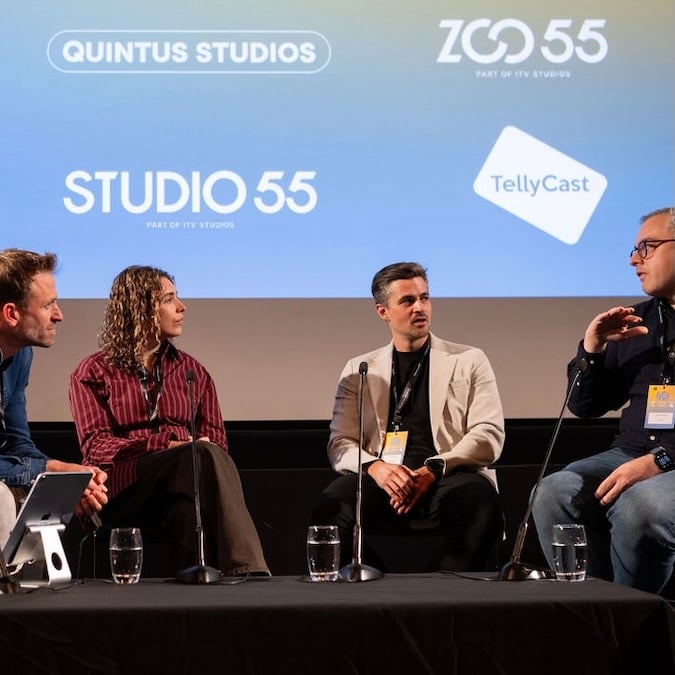
Peering into their crystal balls were FlightStory commercial director Oli Thomas; Jungle Creations chief publishing officer Siobhan McDade; and Tubi director, creator and content partnerships UK Sami Qasem. Guiding the discussion was Quintus Studios MD Gerrit Kemming.
“The cash cow definitely for us is still the platforms. The platforms are the engines that fund our growth and our investment in IP… They’re not the destination, but they allow us to experiment and move into new areas,” said McDade, with Facebook, YouTube and Snapchat the key platforms.
Thomas talked about FlightStory’s work with brands, but e-commerce is also growing well, and direct-to-consumer subscriptions are a major area of focus. “It’s what investors want,” he noted, while stressing that brand partnerships will be an enduring revenue stream as these newer opportunities grow.
“It’s no secret that we’re trying to unlock TV budgets. We want the money from TV, from radio, and it’s starting to come,” added Thomas. “There’s a lot of money tied up outside YouTube and the creator economy that we would very much like to get access to.”
Qasem offered the view from a video-streaming platform, which is developing a growing slate of shows with creators.
“They used to be two very separate audiences: one on the big screen, scheduled, and then you had creator which was traditionally small-screen with its own audience. Now that barrier has come completely down,” he said.
McDade talked about Twisted Labs, a spin-off from its Twisted food brand that works on product innovation with brands. The company is looking to do similar things with its other media brands. “You’re using your audience as this incubator, whether that’s for products, IP or something else,” she said.
Thomas said that FlightStory is bullish on creators becoming consumer businesses. “The media is the top of the funnel, and you want to push those audiences through to the event, the product, the membership, and that ultimately increases the lifetime value of those audiences,” he said.
“The gold rush is data, still: owning the audience. Moving from rented to owned audiences. Moving them away from the platforms at the time that suits them so they can engage with you in other ways.”
Qasem outlined Tubi’s policy of “programming for fandom… the more people that watch Tubi, the more we understand what they want to watch”. An approach that he said has helped the platform avoid relying on a single flagship piece of content at any time.
Can all of this apply to smaller niches? There has been a lot of talk about those subcultures reaching global scale via social-media platforms, noted Kemming, but can they also bring fans back to their owned channels?
“I think it’s more applicable to those niches,” said Thomas. Finding the 1,000 or 10,000 true fans and then figuring out what value you can add for them. “They’ll buy into the products you’re using and go on that journey with you.”
“If you had, say, 20,000 bonsai gardening fans who were paying a membership every month versus a few hundred thousand who are occasionally coming to view your YouTube channel, what has more value in the longer term?” agreed McDade – clearly it’s the former.
She expects that the biggest trend in the creator economy over the next five years will be the barriers completely coming down between creators, media, consumer brands and production companies. “They’re becoming these production companies in their own right,” agreed Qasem, looking forward to “Hollywood 2.0” as the ultimate evolution of this.