
LumoTV is inviting pitches for microdrama and vertical drama as part of its 2026 Drama Commissioning Brief, with the ambition of making the UK’s first deaf vertical drama.
The sign-presented programming commissioner and streaming platform is seeking ideas across any genre for the vertical format, alongside short films, comedy, action-led stories and adaptations of public-domain IP. The pitching round is open now and closes on 13 November.
The new drama brief seeks deaf-centred storytelling with the potential to engage audiences across the UK and internationally. Projects must have a deaf creative at their heart, such as a writer, co-writer or director, with deaf representation central to their onscreen storytelling.
Alongside microdrama, LumoTV is inviting projects for its next Step-Up short film scheme, which provides a training pathway for emerging writers, directors and directors of photography. The commissioning round is open to creatives and producers at all experience levels, including those seeking their first commission.
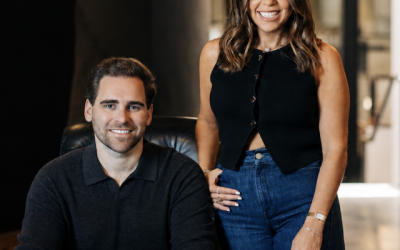
Phil Dodds, drama commissioner at LumoTV, (pictured) said: “Our scripted ambitions at LumoTV keep growing. In this new brief we’re looking for mass market, break-out, box office hits; stories that speak to very specific audiences, including bold ideas that look at issues, take risks, and go big with reach or experimentation that no other broadcaster might deem commercial enough. We’re interested in stories with an international flavour that can foreground British, deaf representation on a global, multi-lingual stage. We really want to engage more of the industry around the world with LumoTV and the pivotal work that we do as a commissioner, co-producer and deaf talent incubator.”
Other priorities include fresh interpretations of public-domain works, including Dickens, Sherlock Holmes and Shakespeare, with a compelling reason to revisit them through a deaf perspective. LumoTV is also seeking comedy and sitcoms, alongside action-led projects ranging from adult revenge thrillers to family viewing.
There is a particular focus on stories set in the nations and regions, especially the North of England and Wales, and projects that could attract screen agency support, climate funding or other co-funding opportunities.
For major series and features, LumoTV can become involved at development or pilot stage, providing consultancy or funding ahead of a potential mainstream co-commission, or joining as a co-production partner. It is also open to collaborating on existing projects in development or with production funding already partly secured.
Those projects can be set in the UK or internationally, provided they involve a deaf UK creative and deaf representation among the cast.
While BSL and other sign languages will remain the predominant languages of its onscreen content, LumoTV will consider a limited number of projects from non-signing deaf or hard-of-hearing creatives where this reflects their lived experience.
Camilla Arnold, CEO of LumoTV, said: “We want to champion deaf stories, experiences, talent and creative, and this brief is not only for the deaf community to engage with but the wider film and TV industry as a whole. The brief is as varied and experimental as we are and we’re really looking forward to seeing the incredible ideas that come in.”
The interest in vertical storytelling follows LumoTV’s launch of a revamped YouTube channel in 2025, expanding access to its films and programmes beyond its own website. Formerly known as the British Sign Language Broadcasting Trust, the organisation commissions content centred on deaf and sign language communities.
Its recent output spans scripted films, dating reality, gameshows and children’s competition formats, with titles including My Mother’s Spices and Crafty Champions available on both its website and YouTube.
LumoTV also commissioned Hold My Hand, billed as the first BSL-led dating reality show. Hosted by deaf twins Hermon and Hermoda, the three-part series follows deaf and CODA singles seeking relationships entirely through BSL. Its returning entertainment output includes Sign2Win, in which pairs compete for a £1,000 prize.
Producers seeking deaf collaborators can access LumoTV’s deaf talent resource.