Animation studio Blue Zoo has launched The Ideas Fund, a new internal development initiative designed to accelerate creator-led projects and test audience demand through digital-first releases.
Positioned as a complement to the studio’s traditional production pipeline, the programme will invite employees to pitch original ideas several times a year across genres, formats and audiences. Selected projects will receive studio funding for a four-to-six-week development sprint to produce an initial proof of concept, ranging from webtoons and animated shorts to games.
The completed projects will be released online, with Blue Zoo using its digital publishing expertise to assess audience response. The studio said the initiative is intended to prioritise meaningful engagement while ensuring creative decisions remain with the original creator.
If projects demonstrate audience traction, Blue Zoo will fund further development and scale them alongside the creator. Under the model, the studio will co-own the IP with creators, allowing them to share in any long-term commercial success.
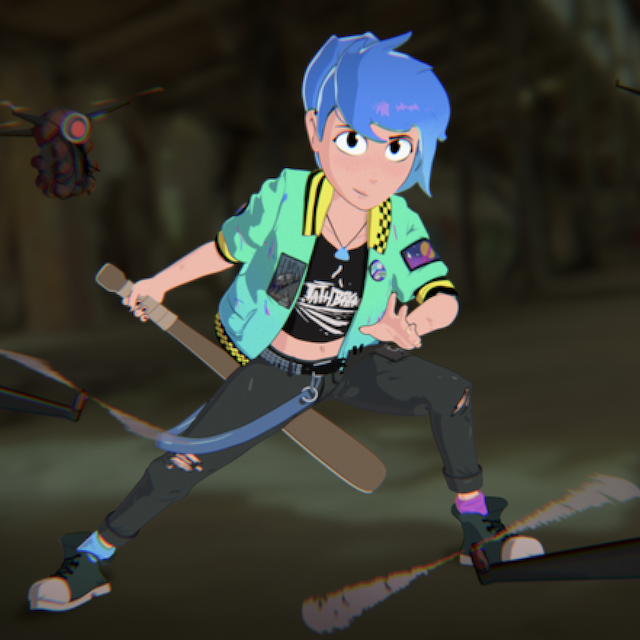
Following a soft launch, The Ideas Fund has already triggered several projects, including the romantasy webtoon Found in Wonderland by designer Katie Gascoyne, the upcoming fantasy webtoon The Great Goblin Detectives by Charlie P. Higson, and Band Against Robots (pictured), an animated music video created by animator Matt Clarke that is scheduled to debut on Blue Zoo’s Disco Chicken YouTube channel on July 24.
The launch reflects growing interest across the animation and creator economy in digital-first development models that allow studios to test concepts with audiences before committing to larger-scale investment. “For 26 years, Blue Zoo has thrived because we keep questioning how we work. In a fast-moving industry, complacency is where companies go to die,” said Tom Box, co-founder of Blue Zoo.
He added: “If you’ve been in the industry a while, you know the big IP model inside out. You develop an idea for a year or two, raise funds for another two years, and spend 18 months making it. Because that financial risk is so massive, executives naturally want to hedge their bets. While this model has worked well for us in the past, it’s getting harder to sustain with fewer commissioning opportunities out there.”
According to Box, The Ideas Fund is “creator-led, not committee-led. It’s agile enough that it’s not a major concern if a concept doesn’t quite hit the spot. Ultimately, it’s a playground for the bold ideas of tomorrow, and exactly the kind of creative environment we want to offer the talent joining our studio.”