
Commissioners at broadcasters may not be the all-powerful figures they once were, as new digital-first opportunities have opened up for producers. However, the moves of big broadcasters to commission more digital content themselves means they still have an important role to play in the ecosystem.
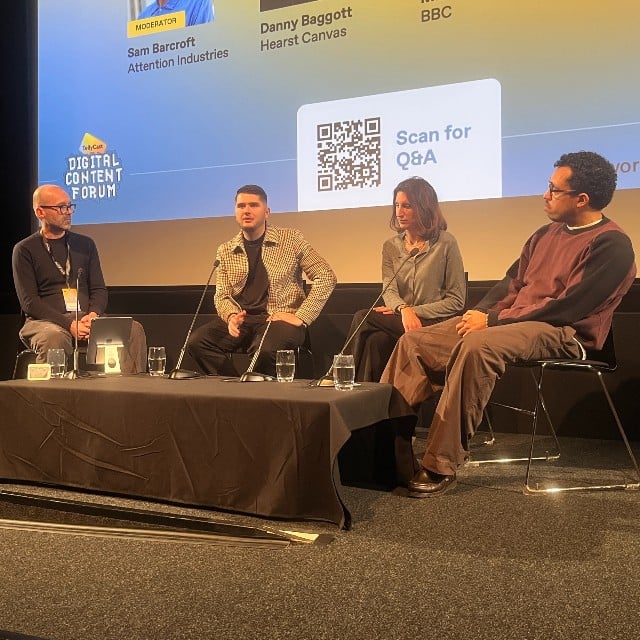
Meanwhile, the video expansion of other kinds of media owner have seen them enter the commissioning space too. The implications of these shifts were dissected in the final session at the TellyCast Digital Content Forum today in a panel moderated by Attention Industries’ Sam Barcroft.
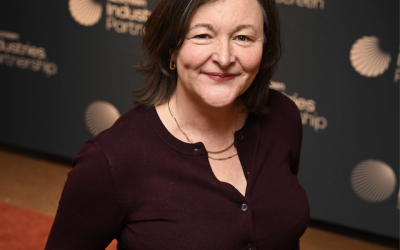
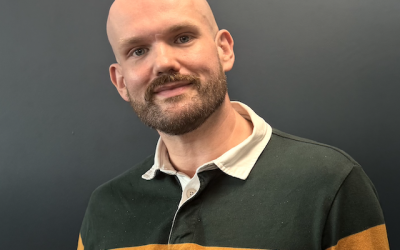
Hearst Canvas creative director Danny Baggott, BBC head of digital development Mariel Capisciolto and Channel 4 digital commissioning editor and Channel 4.0 commissioning lead Kaio Grizelle were the senior commissioners offering their thoughts.
Capisciolto outlined the recent shift across the BBC. It has always had a presence on YouTube, but now it is actively commissioning more content specifically for that platform, with several channels launching or in the works.
“We are early-ish in the development,” she warned. “A lot of the time has been spent setting our strategy, setting our goals, and setting the clarity for the production sector in what we are looking for.”
Channel 4 has also expanded enthusiastically with the launch of its Channel 4.0 digital-first brand, and growing momentum on YouTube, TikTok and other platforms.
“We thought it was important for us to have an offering that was true to that space,” said Grizzelle. “We didn’t look at what other broadcasters were doing. We were really looking at what creators, brands and publishers had been doing on platforms like YouTube.”
He went on to explain what Channel 4’s main goals had been. “Initially it was about building an audience… and also to champion new talent and new producers,” said Grizzelle.
“Luckily the channel really backed what we were doing: it does take some investment to get that off the ground.” But now it’s also important to make that commercially sustainable too. “It’s not just about saying hey, we have this audience…”
Capisciolto offered insight into how the BBC measures the success of its digital commissions. “Our channels are measured on 16-24 [year-old] watch hours,” she said.
“We are going after those audiences and measuring the success of our channels based on the watch hours… Ultimately what we are trying to deliver is value to the audience.”
As for Hearst Canvas, its success is initially measured by the success of “shows bringing people through the door” according to Baggott. However, the important metrics are about the longer-term ability to hold on to those viewers.
“In terms of building a channel strategy it’s what’s going to allow those viewers to keep with us over a sustained period,” he said. “Incentivising talent for the long term is one thing we’re looking at, and incentivising production partners to work with us for the long term too.”
Hearst Canvas is “pulling levers” within its wider corporate family to give its content the best chance to reach audiences, and it’s also working with creators in interesting ways. Its Frontier Network gathers adventure-focused creators together, while also helping them to build their individual channel audiences.
Capisciolto won praise from Barcroft for her declaration that the BBC is open to all kinds of creative conversations in its digital commissions. By its nature, it doesn’t work with brands, but it is keen to avoid throwing barriers in the way of any other format, production model or idea.
“We’re looking for variety, and we’re trying to work with as many companies as we can across the sector,” she added later, pushing back against suggestions that the BBC may only want to work with the most established producers.
Baggott was asked about deal structures and terms. “There’s many ways to skin a cat! It depends on the idea and the production model behind it, how we partner with the producers and the talent behind it,” he said.
“It’s idea-dependent, and we are open to exploring opportunities in terms of how to work that deal out in the best way.” If the economics and budget is right, and the Hearst Canvas team loves the idea, he is confident it will be able to make it work.