
The initial model for micro-dramas was to offer a few episodes for free then, once viewers were hooked, make them subscribe to access the rest of the series. Now, as part of the vertical sector’s evolution, brands are getting involved.
That can bring entire series out from behind the paywalls, but it has implications for rights, back-end value, production margins and development approaches.
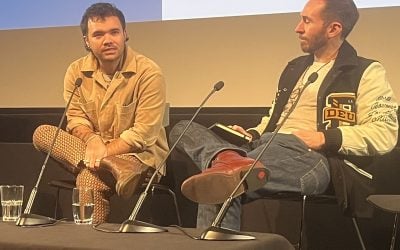
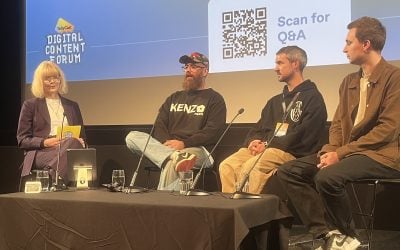
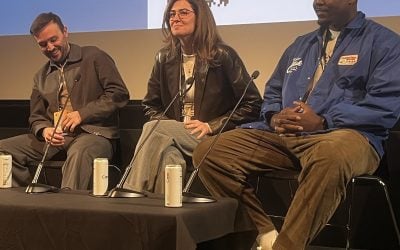
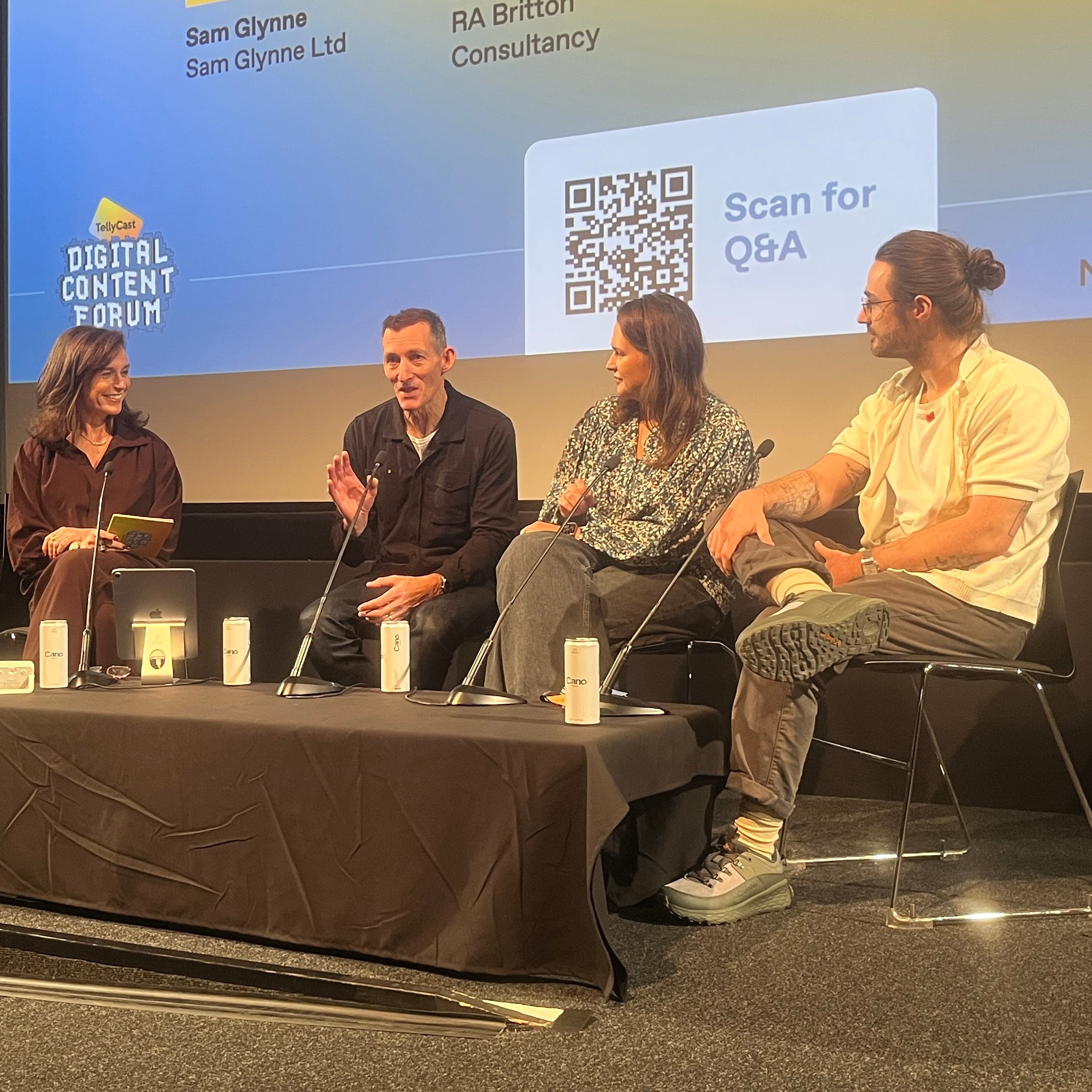
A panel at the TellyCast Digital Content Forum explored these issues today. Moderator Sam Glynne was joined by RA Britton Consultancy founder Rupert Britton, Shorties Studios founder Kelly Luegenbiehl and Platform Media senior creative Ainsley Cannon.
“There’s no experts in this space because it’s such a new area,” warned Luegenbiehl. “Anybody who tells you they’re an expert is selling you something!”
The traditional paywalled models for micro-dramas can be challenging for brands. “A brand is going to want to reach an audience. As much as they’ll talk about it being engaging, ultimately it’s about reach,” said Britton, before pointing to another barrier with the traditional micro-drama apps.
“Some of the content that exists on those apps to get people to pay money is not really brand-safe. It’s quite steamy: CEOs getting off with their secretaries… It’s not brand-safe, so that’s an issue.”
Platform Media recently worked with Co-Op on a four-episode series, with the second series already in production. “We’re seeing great retention… great engagement,” said Cannon.
Luegenbiehl noted that the standard format for micro-dramas is around 100 minutes of content, spread across dozens of episodes, and made for around $1k-$2k per minute. These are the figures that brands are looking at as they consider entering this space.
“The typical budgets that you will be angling for in this space… the total cost to clients would be around $500k. That’s the full cost to client. So you need to be thinking about: how many episodes can I make? What’s my production cost? What’s my talent cost? And how can I reach this audience?” said Britton.
The key metrics around branded micro-series include awareness, brand consideration and brand equity scores – research that producers need to make part of their budget, warned Britton.
Luegenbiehl talked IP ownership, which is a familiar discussion about how much a brand is willing to pay, and how much the producer is willing to give up in return.
“Because this industry is only three to four years old, we don’t actually know what the long tail of IP ownership is,” she said, while encouraging producers to be optimistic: an IP that starts as a micro-series can be developed into other kinds of production and revenue streams later.
Cannon talked about the creative challenges of producing 60-second episodes, especially when working with creators “who usually have as much time as they want” in their own videos. “It just makes the content sharper, because everyone’s focused on every single word in it,” he added.
Luegenbiehl said that verticals aren’t for every brand yet, especially those who are ultra-focused on KPIs and the return on their investment. “It is a bit of a Wild West, so if you need a guarantee, this might not be right for you,” she warned.
Britton talked about the logistical challenges of any project where the brand has ownership and so wants to oversee and approve every episode. That may be relatively easy for a five-episode project “but the Chinese micro-series can be 50 episodes. Can you imagine a brand client being the overlords of that?!”
The panel made their predictions for the big trends in verticals over the next year. “I think it will be IP-driven: talent being able to create what they want… and then brands being attached to that,” said Cannon. “Maybe not long, long-term, but certainly in the next 12-18 months.”
Luegenbiehl said she expects AI to be a hot topic too, including fully-AI-generated shows, while Britton said he expects micro-series to be the next frontier for creator-led content. He also had some views on AI.
“AI will allow us to build new worlds and go into different genres: action-adventure, horror, stuff that otherwise brands would no way be able to get involved with,” he added.