
From Patreon subscriptions to livestream gifts and Super Thanks on YouTube, fan-funding is now an important part of the social-video economy, fulfilling a role that traditionally fell to the wallets broadcasters and platforms.
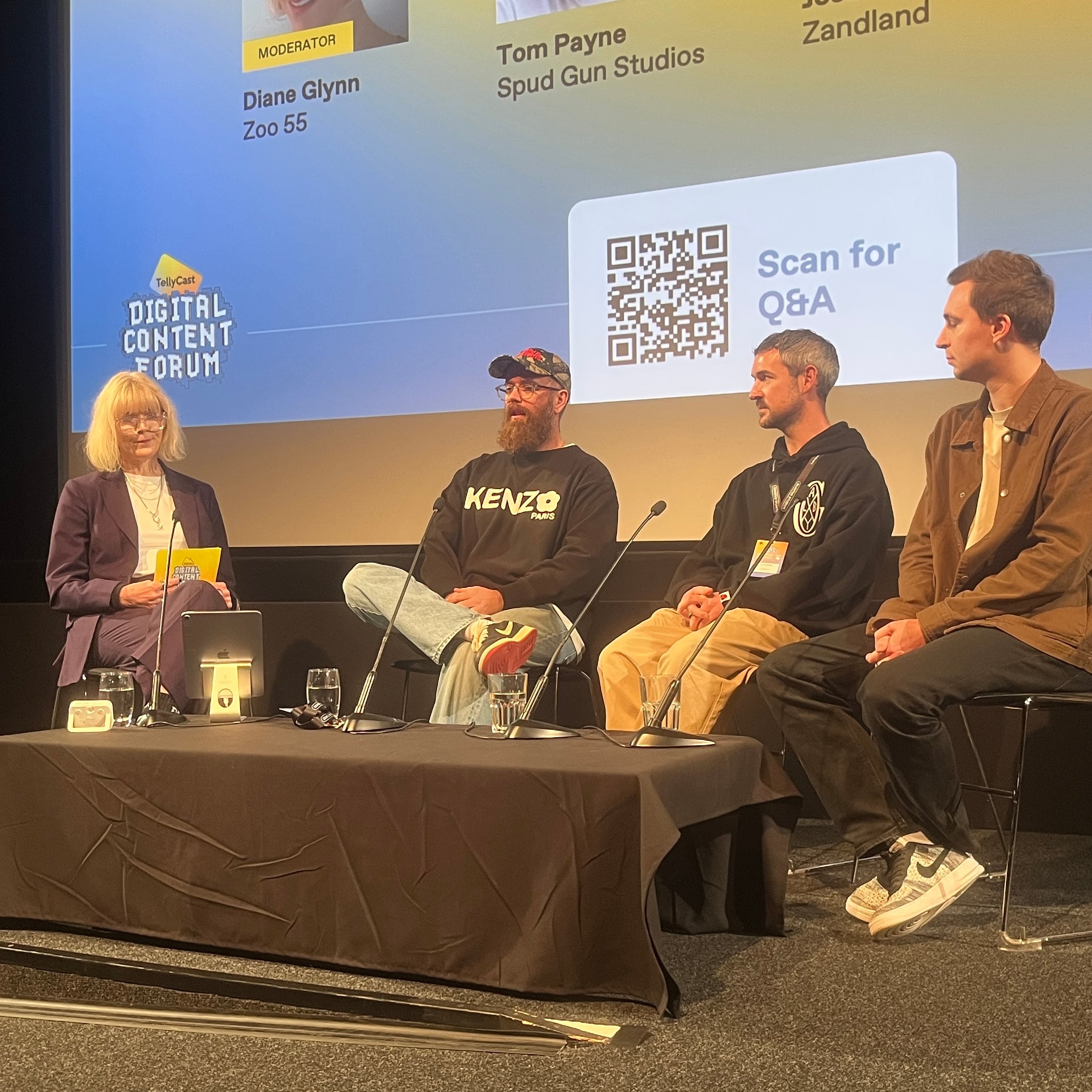
At the TellyCast Digital Content Forum today, a panel discussed how to make fan-funding work for a digital-first studio or creator, from what fans are expecting for their money to how it changes the economics of content.
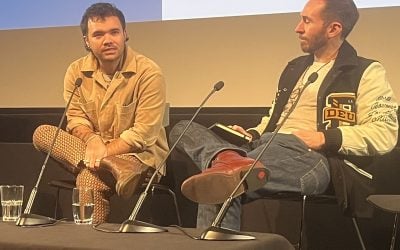
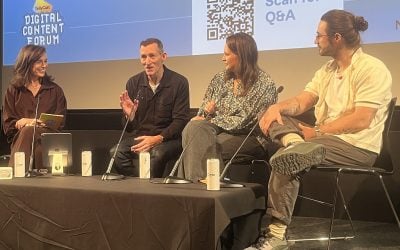
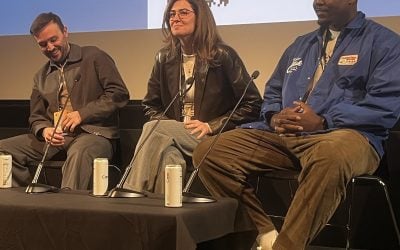
Moderator Diane Glynn, SVP, Zoo 55 oversaw a panel that included Spud Gun Studios MD Tom Payne; Zandland executive producer and head of partnerships Josh Reynolds; and head of Side+ at Sidemen Entertainment Matt Amys.
Payne talked about Spud Gun’s model with Mashed+, the paid membership for its Mashed animation channel on YouTube with tiers costing 99p, £2.99, £6.99 or £44.99 a month for its keenest fans, Those on the top two tiers get early access to new cartoons.
Zandland has taken its own path to fan-funding. “Like most people we started with the obvious: the Substack, the Patreon and obviously YouTube membership as well. But the thinner you’re spread… it was becoming siloed and they didn’t really connect to each other,” said Reynolds.
Zandland has now built its own consolidated hub for memberships, charging £60 or £150 a year for exclusive and early access to content, as well as merch and other benefits.
Sidemen have also built their own platform, Side+, launched five years ago as a £6.99-a-month membership club offering exclusive content, meet’n’greets and other perks. It has evolved into what’s essentially an owned streaming platform for the popular creator crew.
People may be paying for memberships, but that doesn’t mean they get to tell the studios and creators what to make. “We’ve always tried to draw a line: memberships won’t dictate what we’ll make on the channel. We make the content and the membership sits alongside it. The big driver has always been that people want early access to content and exclusive content,” said Payne.
“Our niche is effectively investigative docs, so we have to stay true to our journalism, and trust that they love us for what we’re already doing,” said Reynolds. But Zandland has set up a tip line for its members, encouraging them to be part of the process “but not to dictate content”.
Amys agreed, and stressed that even when they have large communities of paying members, creators and studios must be free to try out new ideas and formats, rather than feel obliged to just pump out the existing shows and content that the community loves already.
The conversation turned to money, and how to decide the price points for membership tiers. Reynolds said it was pure guesswork at first for Zandland, although it had a clear goal with its subscriptions: for them to become a sustainable funding source for its journalism over the longer term.
“We’re pricing ourselves competitively, but we’re trying to say to people: don’t just drop in for one month. Stay with us for the longer journey,” he said.
Having paid memberships brings expectations, which have been carefully set by the panel. “The one thing we didn’t want to start doing was promising things that would cost us a lot of money, and you’d maybe never make that back from memberships,” said Payne.
Reynolds talked about time pressures. Giving members 48 hours early access is good, but it means a video has to be finished by that deadline – something that can be challenging for Zandland’s documentaries, some of which are still being cleared with lawyers right up to publication time.
Does direct fan-funding change the kind of content a channel or creator puts out? Amys said that on Side+ fans can get a deeper connection – for example in a less-structured video podcast, or rawer behind-the-scenes footage. “Fans can have a bit more touch time and a bit more of a connection.”