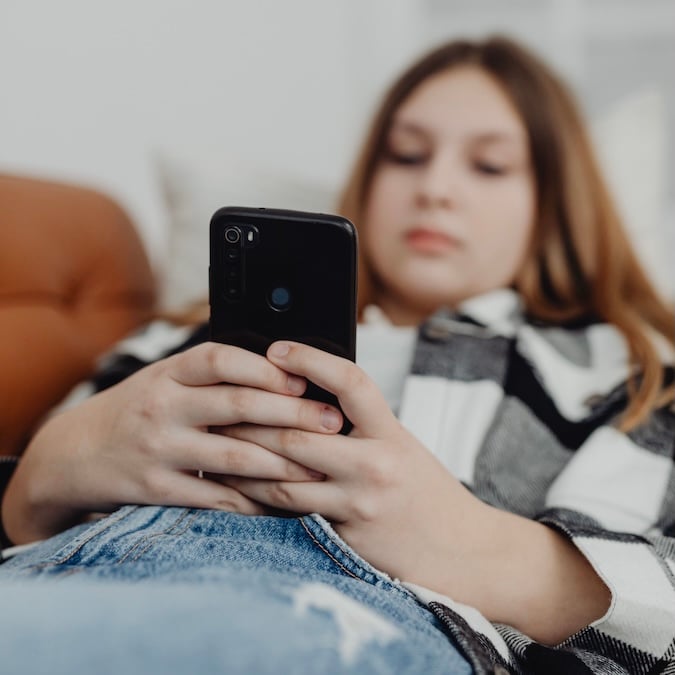
The UK government will impose default overnight curfews on social media use by 16 and 17-year-olds and switch off addictive platform features for the age group, in measures announced today that carry significant consequences for anyone building digital-first video businesses around young audiences.
Under the plans from the Department for Science, Innovation and Technology, social media apps will apply a default midnight to 6am curfew for older teenagers. Features designed to extend session time, including autoplaying videos and continuously personalised feeds, will also be switched off by default for the age group. Sixteen and 17-year-olds will retain the ability to change their own settings, a balance the government frames as protection without removing agency.
The measures follow the government’s ban on social media services for under-16s, due to come into force from spring next year, and are designed to prevent what ministers call a cliff edge in protections when young people turn 16. The first regulations will be laid before Parliament by the end of this year, with the new teen protections expected in force by spring 2027. The announcement draws on a government pilot involving more than 300 teenagers and parents, with families reporting that overnight curfews improved sleep and concentration.
Technology Secretary Liz Kendall said the consultation showed parents and teenagers agreed that older teens should still be shielded from the most addictive online features, arguing the measures would help young people sleep, focus on education and spend more time with family and friends.
The package extends beyond social media. The Technology Secretary intends to bring forward measures requiring regular breaks for under-18s using AI chatbots, and will work with regulators on services offering dangerous or unverified mental health advice, with an outright ban on chatbots posing serious risk to children among the options under consideration. Media literacy will be built into RSHE classes from September and embedded across the National Curriculum from September 2028, covering AI, mis- and disinformation and violent or misogynistic content.