I’ve been watching the reaction to Holly Willoughby’s YouTube channel over the last few weeks and it has brought back some memories.
Around sixteen years ago we started taking YouTube seriously with Jamie Oliver and, believe it or not, the reaction wasn’t all that different. People often assume everyone was excited to see a big TV name on the platform, but that wasn’t the case at all. YouTube still felt like it belonged to YouTubers. It was their platform, they’d helped build it and there was a real sense that television was arriving late and trying to muscle in.
Looking back, I don’t think those comments were really aimed at Jamie. They were aimed at television. The audience wasn’t convinced that just because somebody had built a successful career on TV they automatically deserved a place on YouTube and, with hindsight, I think they had a point.
What they understood, probably before the television industry did, was that YouTube had its own grammar.
We kept approaching it like television because that’s the language we spoke. We’d spent years making programmes where you carefully build towards the moment. Beautiful food shots, scene setting, presenters introducing what was about to happen, lingering shots of the finished plate sitting on a rustic table. That’s how television tells a story and, in the right place, it works brilliantly.
Then we started looking at the audience retention graphs.
The audience wasn’t interested in any of that.
They wanted the bit from the moment the steak hit the pan to the moment it came out again. That was the reason they’d clicked. Everything else was simply delaying the answer they’d come for.
It sounds obvious now, but at the time it completely changed how we thought about making content because we realised we weren’t just making shorter television programmes, we were making something fundamentally different. We stopped asking ourselves what made good television and started asking why somebody had chosen that particular video at that particular moment.
Once you start thinking like that, almost everything changes.
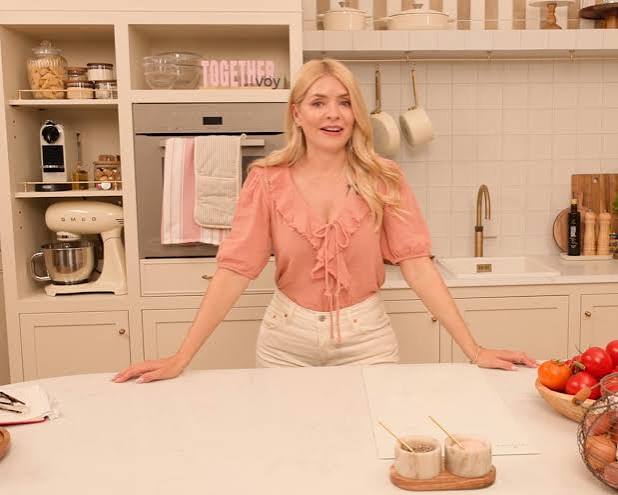
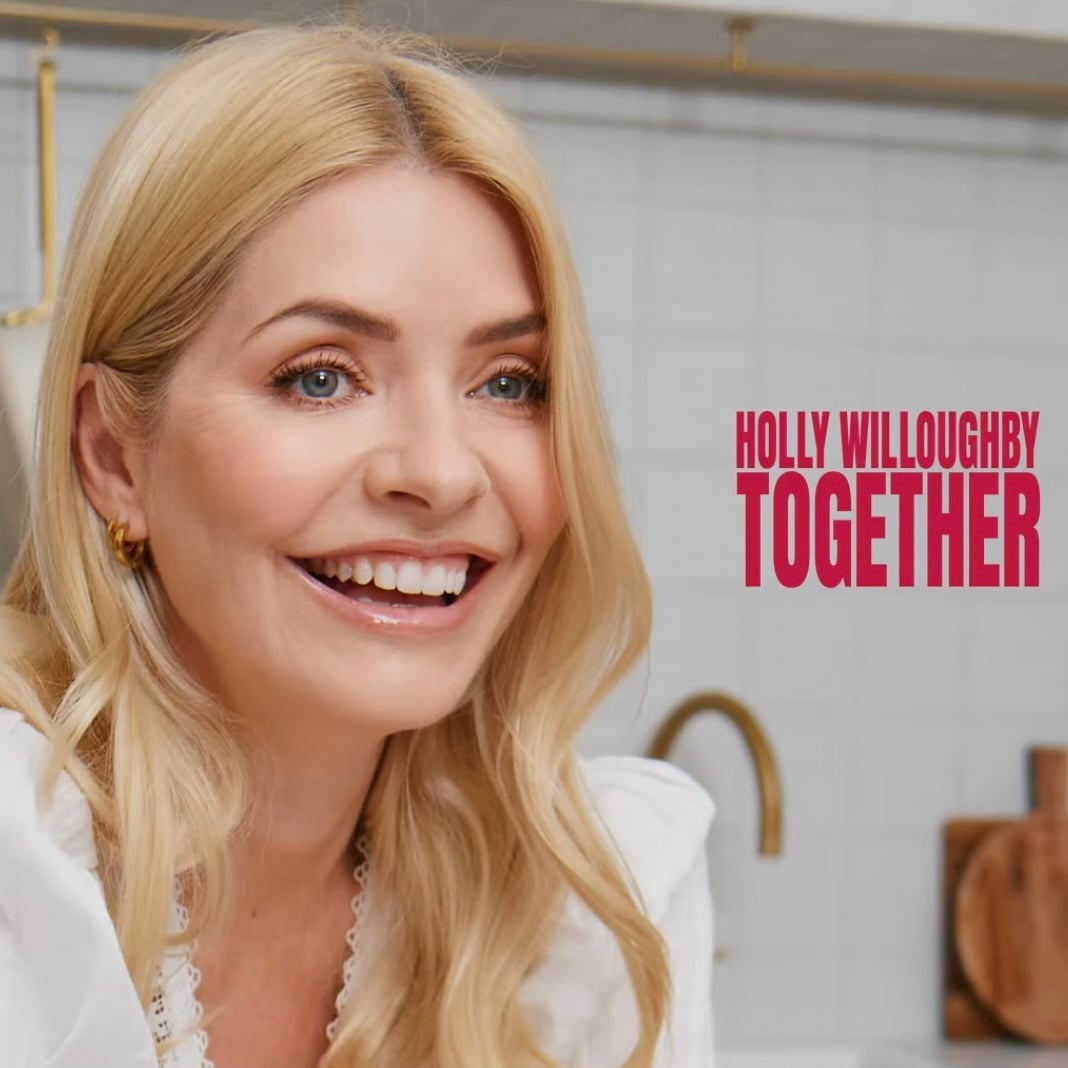
Holly Willoughby Together
Titles and thumbnails stop being something you bolt on at the end and become part of the programme itself because they’re the first conversation you have with the audience. Audience retention becomes one of the most useful creative tools you’ve got because viewers are quietly showing you where they’re engaged and where they’re drifting away. Comments become less about praise or criticism and more about understanding what people were hoping to get from you in the first place.
Gradually we stopped trying to teach the audience how to watch Jamie Oliver on YouTube and started letting the audience teach us how they wanted to watch Jamie Oliver.
I still think television struggles with that idea because it tends to see YouTube as another outlet for programmes that already exist. Personally, I’ve never really looked at it that way. I think YouTube is its own medium with its own grammar and, just like learning any new language, translating word for word rarely gets you very far.
There’s another part of this that doesn’t get talked about enough.
Television fame is usually national. YouTube is global.
Holly is one of the best-known presenters in Britain, but most people opening YouTube today have never watched This Morning. They don’t know Holly and they don’t need to. Just as millions of people around the world had never heard of Jamie Oliver when we started building his channel, they’re simply looking at one video and deciding whether it’s worth their time. The decision they’re making isn’t based on somebody’s television career, it’s based on whether that video looks as though it’s going to teach them something, solve a problem, make them laugh or satisfy a bit of curiosity.
That’s another part of YouTube’s grammar.
People rarely arrive by accident. They arrive with intent.
Which is why I’ve never been particularly comfortable judging a YouTube channel after a handful of uploads. The first few videos don’t tell you very much beyond where the journey starts. The interesting part is what happens next. Does the team listen? Do the formats evolve? Does the packaging improve? Does the audience slowly begin to recognise that every time this channel uploads it’s worth giving it another click?
That’s how most successful YouTube channels are built. Not through one perfect launch, but through hundreds of small decisions that gradually earn trust.
Sixteen years ago people worried that television was going to take over YouTube. Looking back, that feels quite ironic because the real story turned out to be something completely different. Television wasn’t learning a new distribution platform, it was learning a new language, and I sometimes wonder whether we’re still only just beginning that conversation.
Rich Herd is a digital content expert and YouTube growth strategist.